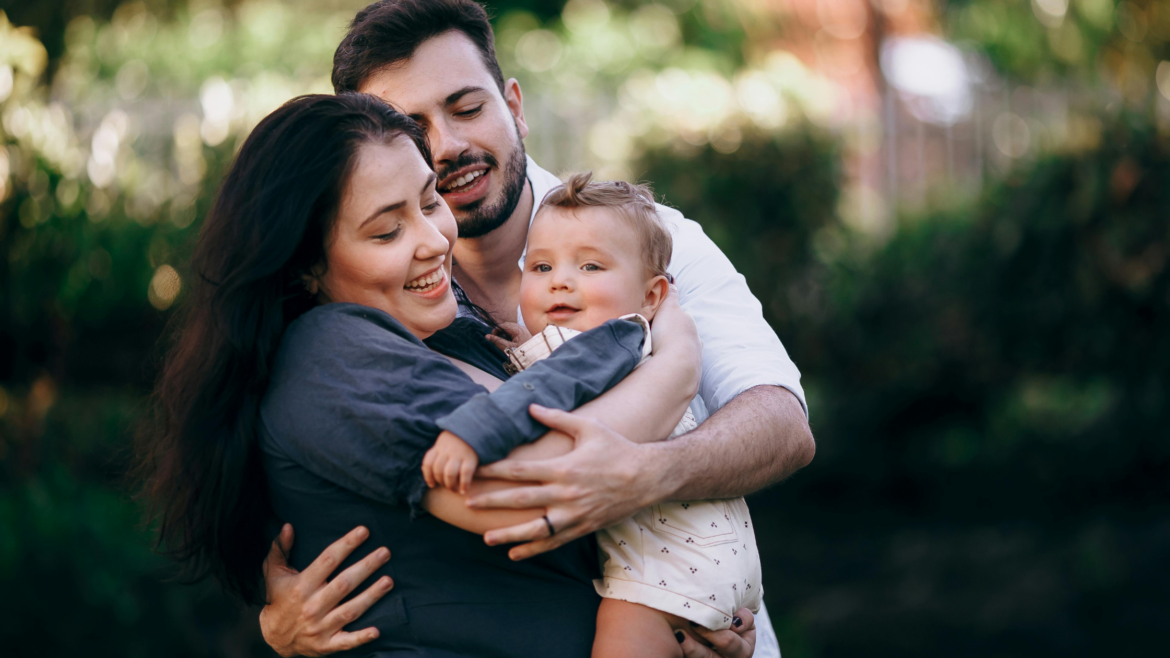
Navigating the process of domestic adoption in America is a journey that often begins with unplanned pregnancies leading women to seek assistance from adoption agencies and legal counsel. Courageous Hearts Adoptions, guides birth mothers through a meticulous process that involves comprehensive paperwork encompassing their medical and social histories as well as confirming their pregnancy. These brave women are provided with more than photos of adoptive families; they are offered glimpses into the potential futures these families could provide for their child. While they have the option to meet these families there is also support. In certain states pregnant women receive living assistance. The amount may vary and sometimes requires prior court approval. Additionally, those without insurance will receive coverage for their pregnancy related bills and free lifetime counseling services will be provided and covered by eager adoptive families or agencies’ fundraising.
It’s important to acknowledge that this pathway is not without its complexities. Adoption decisions can remain uncertain until they are legally finalized. Post signature reversals depend on laws within each state and birth fathers’ rights also vary accordingly. Furthermore, any financial assistance provided cannot be reclaimed if the birth mother changes her decision on placement. These aspects shed light on the financial and emotional facets involved in domestic adoption in the United States.
The Important Role of Birth Parents
In 2019 the United States experienced 115,353 children finding new homes through adoption. This statistic clearly indicates the changing landscape of adoptions. Within this number around 57% of adoptions were from the foster care system highlighting the importance of distinguishing between adoptions and foster care placements.
When we examine the numbers closely we find that in 2019 there were 49,771 children involved in private adoptions. Interestingly, step-parents played a role in 48% of these adoptions. This demonstrates the impact that step-parents have on the narrative of adoption. In 2020 when there was a decline of around 17% in domestic adoptions step-parents still participated in about half of all private adoptions.
When prospective parents seek guidance on adoption options we first inquire about their preferences regarding adoption versus foster care placement. When it comes to domestic adoption processes and foster care home studies, which are supervised by the State Child Protective Services Division, this distinction is crucial. Additionally due to changes in regulations and travel restrictions affecting adoptions and considering the emotions surrounding foster care placements more families are opting for domestic adoption routes. This trend is further influenced by factors such as increasing infertility rates and the complexities associated with assisted technologies, like IVF.
Overall as we navigate the changing landscape of adoption it becomes clear that the decisions and roles of biological parents are complex and essential. These factors play a role in guiding parents towards making informed and heartfelt choices.
Comparing Domestic Adoption and International Adoption
When we compare domestic adoption with international adoptions, financial considerations play a significant role. The latest data highlights a preference for domestic adoption. Despite the strong statistics of domestic adoptions, international adoptions are declining due to longer wait times.
Furthermore, traditional sealed adoptions are becoming less common as we move towards an era of transparency and ongoing communication. When discussing adoption plans with birth parents, there are three main routes that parents consider:
Closed Adoption– This approach used to be dominant as it ensured no contact after the adoption process. However, evolving attitudes towards well-being have led to its decline.
Semi-Open Adoption– Striking a balance between openness and privacy, this model allows for periodic updates, photos and letters while still maintaining confidentiality through intermediaries.
Open Adoption– Open adoption is about transparency. It encourages open lines of communication from exchanging messages online to meeting in person. It is further supported by platforms that allow sharing important milestones, like through social media websites.
State Specific Regulations
State laws play a role in shaping the adoption process. These laws add complexity by determining factors such as living expenses and the time period for revoking consent. When it comes to adoptions across state borders things become more challenging due to the Interstate Compact on the Placement of Children (ICPC) which emphasizes the legal aspects of these adoptions.
Navigating the Evaluation of Potential Adoptive Parents
Adopting a child is a decision that requires evaluation to ensure that they will be placed in the best possible environment. The evaluation process for prospective parents is comprehensive and multifaceted. It usually starts with a meeting, which can be conducted either virtually or face to face, serving as a contact between the agency and hopeful parents. After this, applicants delve into providing information through an application. This document helps provide the agency with an understanding of their family background.
It doesn’t stop there. The crucial home study process follows, where various aspects of the family’s life are carefully examined.
The home study process involves conducting background checks to ensure the family’s history doesn’t raise any concerns. Evaluations are done to assess the emotional well being of the family and their ability to care for a child. Financial screenings are conducted to ensure stability, while home visits provide an opportunity to see firsthand where the child may potentially live. Additionally, reference checks are carried out to further verify information and ensure that the child’s best interests are prioritized.
Counseling is also an important aspect of the adoption journey, providing guidance and support for both birth and hopeful parents. For prospective parents, counseling helps navigate challenges related to the adoption process, future interactions with birth parents, and equips them with appropriate adoption language while fostering empathy.
For birth parents, counseling helps them navigate challenges tied to placement and provides life skills training essential for their future paths and healing.
Despite varying ideas and methods around grief and healing, leading adoption organizations emphasize the significance of ongoing counseling for birth parents. Courageous Hearts Adoptions, as part of their commitment, offers lifetime counseling support free of charge, ensuring that birth parents have a safe and non judgmental space to express their emotions and address any concerns. The story of adoption in America is a tapestry woven with detailed, diverse experiences and evolving perspectives. Navigating the adoption process can sometimes feel like navigating a maze due to the interplay between state regulations and the unique emotional journeys of birth and adoptive parents. Regardless, agencies like Courageous Hearts Adoptions play a role in guiding and supporting families with adoption aspirations through this transformative journey. They serve as a compass demystifying the process and transforming challenges into significant milestones. As the landscape of adoption in the United States continues to evolve one core principle remains unwavering: dedicated families supported by advocates, like Courageous Hearts Adoptions, are committed to providing children with nurturing and secure homes.
Post originally developed and written by Harness